



Thought Leader: The Commodity of Attention
Posted by
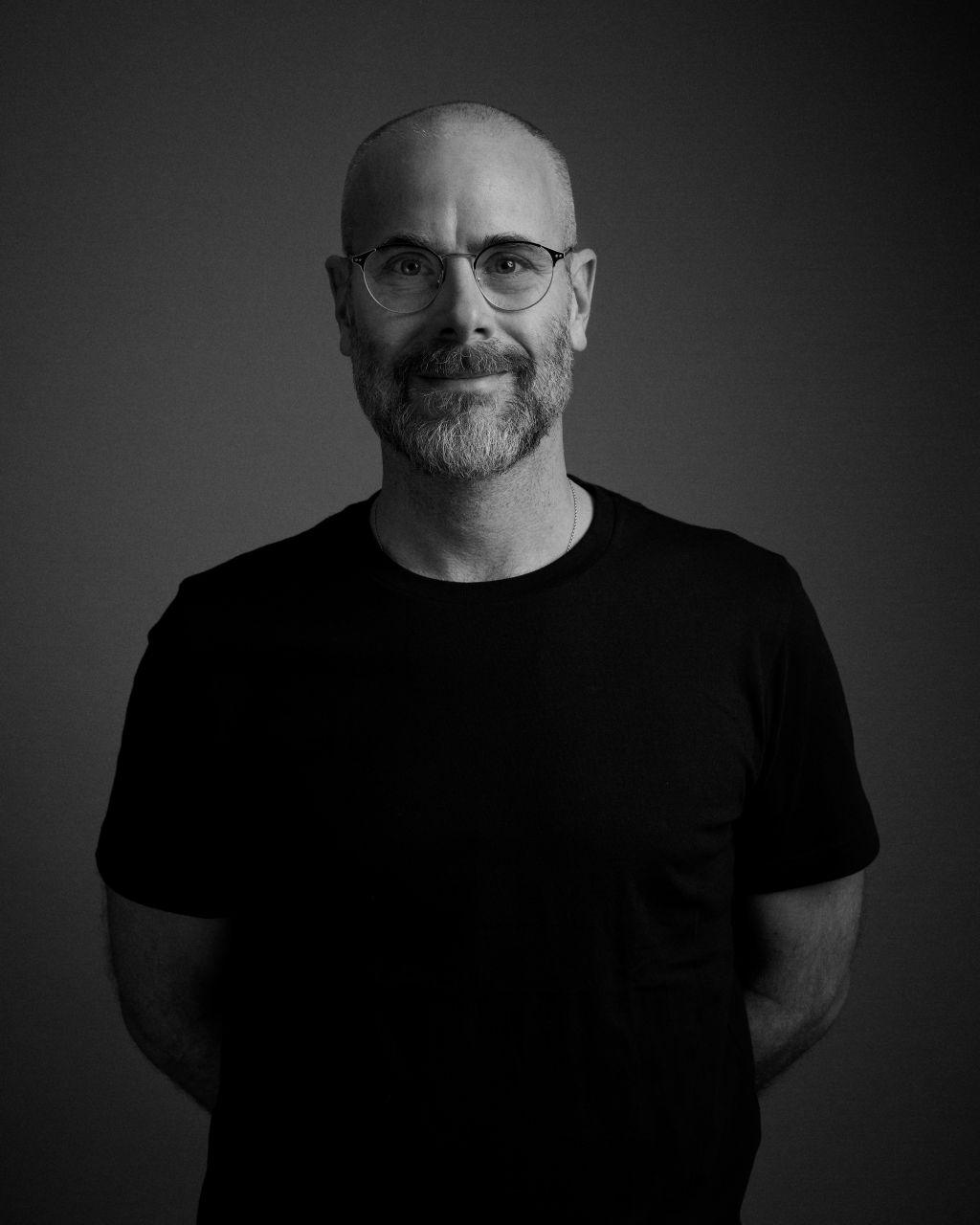
The Commodity of Attention: Why Brands Have to Work Harder to Earn (and Keep it), By Ben Robinson, Founder and Chairman, Renaissance
Received wisdom has it that short form content has killed our attention spans. Yet audiences will queue hours for a concert, clear their calendars to binge an entire series in a weekend, and travel across borders to be part of live sports moments. Attention isn’t gone, it’s become more valuable – so brands need to earn it.
Arguably, the world’s most valuable commodity is no longer gold or oil. It isn’t even the rare earth minerals needed for the new tech we’re doubling down on. The world’s most valuable commodity is something we are all born with.
Attention.
Attention is ultimately finite. Yes, we can multi-screen whilst we’ve got Netflix running in the background, but there are only 24 hours in a day, and our attention isn’t always up for grabs. Media companies have adopted the tools and tactics of the finance industry, treating audiences just like any other base material; merchandised, monetised and traded electronically on global exchanges.
Attention has become commoditised.
Yet In a world of fragmented feeds, dual-screen viewing and choice overload, the real scarcity isn’t reach, which is bought and traded programmatically, it’s depth, time and emotional energy, which has to be built and earned.
Audiences haven’t stopped paying attention, but they are becoming ruthlessly selective. They give it freely to what genuinely moves them, skipping and swiping through everything else.
In this attention economy, where the most valuable commodity is your attention, audiences are increasingly reasserting their right to demand a meaningful return on how (and where) they spend their time (and attention). And this means that brands have to work harder than ever before to earn it.
In my nearly 30 years working in experiential marketing, the work that I am most proud of, that has won out (culturally, commercially and creatively) has been built around a meaningful value exchange, earning meaningful attention.
The brand-led festivals we created (T in the Park, V Festival, Carling Weekend, Witnness) weren’t successful because of sponsorship deals with promoters. They worked because they were additive, delivering extended experiences rooted in something the audiences genuinely cared about, moving beyond branded experiences to become genuine cultural milestones.
The recent experiential renaissance, from concept stores, brand homes and pop-ups, prove that in a world of digital overwhelm, intentional experiences based on a meaningful value exchange, continue to win.
Celebrating the launch of the much-anticipated final season of Stranger Things, we collaborated with KFC to create The Hawkins Hotline, unlocking genuine participation in this huge cultural moment. Turning city streets into secret stages, the experience blurred the line between promotion and storytelling, proving that when brands match fandom with craft, even a fried chicken drop can capture attention and become part of the Stranger Things lore.
Ultimately I believe it’s useful to think about this exchange not in terms of an attention economy but rather in an attention ecology, where the relationship between brand and audience is symbiotic and reciprocal, where attention is viewed as something precious to be nurtured and cultivated, not bought and sold.
In taking this human-centric approach, brands have the power to make the very real shift from statistical reach to meaningful relevance.