



Thought Leader: Taking a conscious approach to building brand experiences
Posted by
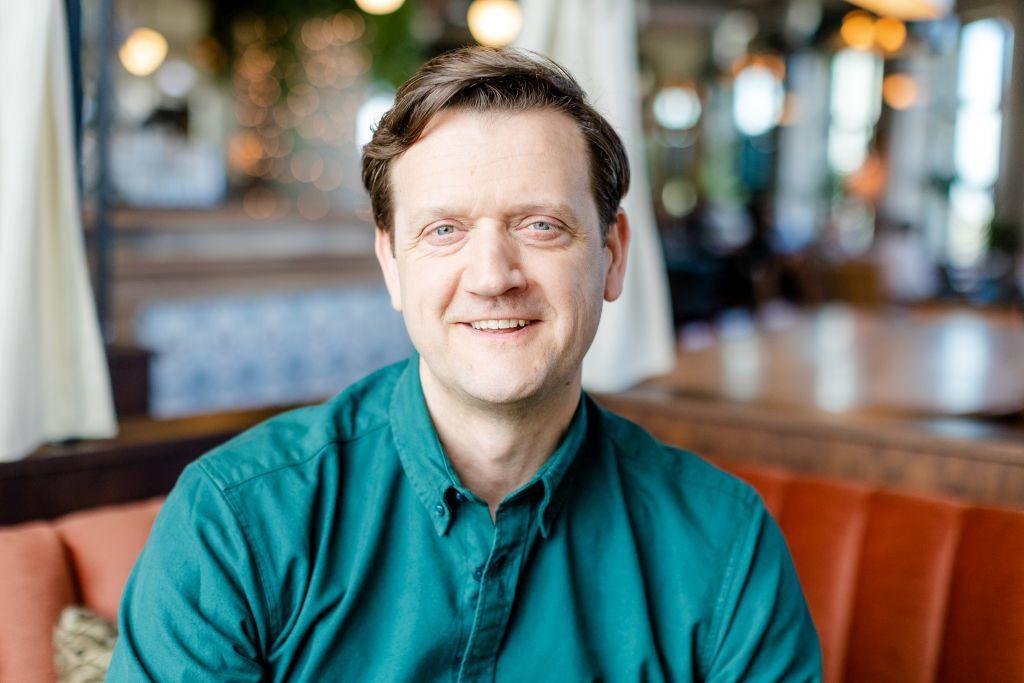
By Jason Megson, International SVP, Sparks
As brands increasingly look for how to instil the truth, the thrill and the impact in their marketing, time and time again brand experiences are proving one of the best vehicles to achieve this. The power of ‘in real life’ elements and of broader storytelling around a brand are important drivers for marketers looking for business growth.
But anchoring those experiences in today’s business environment means taking a conscious approach – one that incorporates the three pillars of sustainability, inclusivity and cultural fluency.
Brand experience can be a uniquely human platform to communicate values, build lasting relationships and accelerate business growth. So how can brands design activations that embed these three pillars to better serve the brand and its audiences? It starts with the mindset.
Adopting a conscious mindset
This is a constantly evolving and changing space. It’s not about excelling; it’s about making strides to improve, to learn from others and to keep pushing the boundaries to build better, more conscious experiences. You don’t have to be perfect, but you do have to start the consciousness journey.
This isn’t just about values or regulation, it’s a way of thinking. Every choice matters. One decision may feel small but collectively – through marginal gains – measurable advantages can be gained.
Taking a conscious approach needs to cut across all stages of a brand experience – from pre-event communication and production to the event production and the live event experience itself. So, start by embedding conscious decision-making into briefings and procurement.
Making sustainable choices
Sustainability is no longer a brand story or a compliance task; it’s a performance metric linked to measurable outcomes. Taking a sustainable approach can reduce costs, move the business toward carbon zero standards and help build reputation across stakeholders.
Smarter design is central to building this pillar. And once circular thinking has been embedded in teams, creativity can kick in.
Inclusion – everyone is welcome
According to McKinsey, 62% of Gen Z engage with brands that promote inclusivity, not just in their messaging, but in how they show up. Inclusion shapes whether audiences of all ages feel that they belong and is baked into the design, flow and atmosphere. Done well, it drives loyalty, advocacy and attracts talent.
So, making conscious, inclusive choices means asking yourself if the experience will work for everyone – from physical accessibility to sensory experience and representation. Immersive cinema experience, Secret Cinema, took a much more inclusive approach to its most recent film experience, Grease. This came from a business need to appeal to a new, younger generation.
The first step was to look at the barriers to younger people choosing to come to a Secret Cinema event. How to design the experience so that everyone – regardless of age, background, ethnicity – would feel they belong.
So, the business changed its marketing, promoting it as an immersive movie musical experience to appeal to those more interested in theatre musicals; it also shared lots of content in advance to meet the needs of a generation which research everything first (when Secret Cinema first started, even the film was a secret until you arrived).
From a design perspective, it decided to tackle the weaponisation of FOMO. Because the immersive experience had previously meant audience members may miss some elements of the show – making them feel anxious that they were missing something important/better – Grease was designed with lots of little screens (rather than one big screen) so attendees could see the film wherever they were. It also removed walls to improve sight lines making it better for people with disabilities who may be less mobile.
Embedding cultural fluency
Being culturally fluent ensures that communication works across borders; it is the bridge between global reach and local relevance. By following culturally intelligent strategies, brands can design experiences that feel appropriate to the market they’re in.
Customers are looking for a brand that feels local, that understands the rituals and the rhythms of the local market. Cultural fluency equates to brand trust and helps differentiation.
The food retailer Co-op did this by thinking about how it could bring its business to where its customers were, as opposed to always expecting customers to come to its stores. So, it partnered with Live Nation which runs summer festivals including Leeds, the Isle of Wight and Creamfields, and took its stores to the festivals. It has a similar agreement with Glastonbury.
It created an environment to match the situation, including opening times to fit with the hardcore partiers, and stock to fit the needs of the different festival audiences – more family focused for Latitude, more post-GCSE for Leeds and Reading. It was also a stepping stone to challenge buyers and suppliers on the sustainability front and it successfully introduced a compostable carrier bag, compostable sandwich packaging and canned water.
The three pillars of sustainability, inclusivity and cultural fluency are now baseline expectations, and today’s buyers – be they consumers, corporate procurement teams or investors – are demanding higher standards. In some areas regulation is dictating direction, but whether enforced or by choice, with every activation a visible signal of the brand’s values, it’s these pillars are front of mind.
Share the post "Thought Leader: Taking a conscious approach to building brand experiences"